
Market & Policy
How Tariffs Are Reshaping Used Heavy Equipment Prices in 2026
Section 301 China duties, USMCA review uncertainty, and Section 232 steel surcharges are pushing both new and used heavy equipment prices up. Here is the brand-by-brand and segment-by-segment damage.
Last updated: April 2026
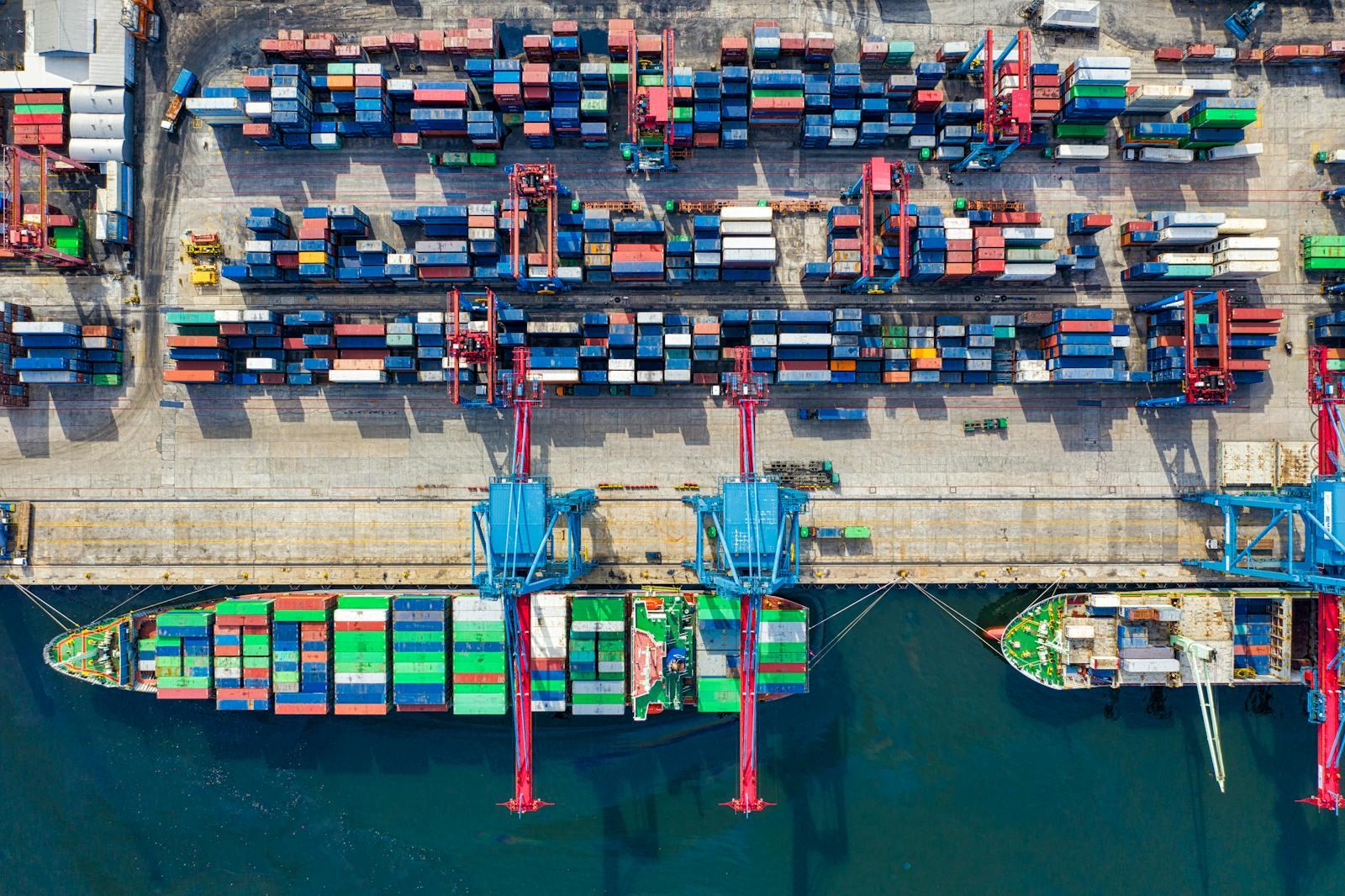
Heavy equipment tariffs in 2026 are doing something the post-2020 supply chain shock could not: they are pushing used iron prices up faster than new prices, and they are doing it unevenly across brands. A new Mahindra 1626 compact tractor that listed at $17,400 in 2024 is now $20,800 at most US dealers. A clean used 2022 Mahindra of the same horsepower has climbed from $13,500 to $15,300 over the same window. The tariff stack — Section 301 on China, the rolling USMCA review, Section 232 on steel and aluminum — is the biggest reason why.
Used heavy equipment prices in 2026 are not a single number. They are a mosaic of how exposed each brand and each segment is to the specific duty policies in force this year. Caterpillar dozers built in East Peoria are barely affected. Bobcat skid steers built in Gwinner, North Dakota, take a small steel pass-through. China-assembled compact tractors and certain mini excavator models take a direct 18-25% Section 301 hit that flows straight into dealer invoice and, with a lag, into used market pricing.
This guide breaks down which 2026 tariff actions matter, which brands and segments are absorbing the most cost, and what that means for buyers and sellers of used heavy equipment right now. The data is sourced from USTR Section 301 final notices, Federal Register Section 232 proclamations, current dealer invoice pricing, and TractorHouse and IronPlanet auction comparables for Q1-Q2 2026.
TL;DR
Section 301 China tariffs (now 25-50% on covered HTS codes) plus Section 232 steel and aluminum duties are pushing 2026 new heavy equipment prices up 4-22% by brand. Used prices are following at roughly half the percentage. Mahindra, LS, TYM, and Branson see the biggest hits because of direct China assembly exposure. Kubota, Yanmar, and Bobcat take moderate hits. John Deere, Case IH, and Caterpillar take the smallest hits because most North American volume is USMCA-protected. Buying now beats waiting for most fleets — used prices typically rise, not fall, when tariffs hold.
The 2026 Heavy Equipment Tariff Stack
Five different policy threads are touching used heavy equipment prices in 2026. Each operates on a different mechanism, and they layer on top of one another rather than substituting for each other.
| Policy | Rate | Scope | 2026 Impact |
|---|---|---|---|
| Section 301 (China) | 7.5% – 50% | China-origin tractors, mini excavators, parts, batteries, EV components | High on Chinese compact iron; moderate via subcomponents on others |
| Section 232 (Steel & Aluminum) | 25% steel / 10% aluminum | Metal content on nearly every machine sold in US, regardless of origin | Adds ~$400–$1,800 per compact machine across the board |
| USMCA Preference | 0% (duty-free) | US-, Canada-, and Mexico-built equipment meeting rules of origin | Protects most Cat, Deere, Case IH, Bobcat North American production |
| MFN (Most-Favored Nation) | 0% – 4.7% | Japan, Korea, EU heavy equipment under standard WTO terms | Low direct cost, but Section 232 still applies on steel content |
| EPA Tier 4 + CARB compliance | Non-tariff (compliance cost) | Gray-market and older imported diesel iron | Effectively blocks non-compliant imports; raises cost on legal ones |
Sources: USTR Section 301 four-year review final determinations (2024); Section 232 proclamations and 2025 expansion; USMCA Article 34.7 review schedule; EPA Tier 4 Final and CARB compliance regulations.
Section 301: The China Action That Started It All
Section 301 of the Trade Act of 1974 is the legal vehicle for the China tariffs first imposed in 2018. The USTR's 2024 four-year statutory review of those tariffs concluded by raising rates on several heavy-equipment-relevant categories rather than rolling them back. Lithium-ion batteries, electric vehicle components, semiconductors, and steel and aluminum products from China all moved to higher rates in 2024-2025, which are now baked into 2026 dealer invoices.
For finished compact tractors and mini excavators of Chinese origin, the relevant List 3 and List 4A categories carry 25% rates. For lithium-ion battery packs used in electric and hybrid heavy equipment, the rate is 25% in 2026 (rising to 25% from a previously phased-in 7.5%). For Chinese-origin precision components — hydraulic valves, electronic controllers, sensors — the rates vary from 7.5% to 25% by HTS line.
Section 232: Steel and Aluminum Hit Everyone
Section 232 of the Trade Expansion Act of 1962 is the national-security-based authority used for steel and aluminum tariffs. The 25% steel and 10% aluminum duties first imposed in 2018 are still in force in 2026 and were broadened in 2025 to close several country-of-origin loopholes. The result is a metal-content surcharge that touches nearly every machine sold in the United States.
A typical 50HP utility tractor contains roughly 4,500 pounds of steel and 200 pounds of aluminum. At current Section 232 rates and 2026 input prices, that works out to a duty cost of roughly $400-$600 per unit, even on a US-built machine. A 25-ton excavator is closer to $1,400-$1,800. OEMs absorb part of this and pass through part of it; in 2026, the pass-through share has been climbing as input cost inflation has eaten into margins.
USMCA: The Quiet Risk
USMCA replaced NAFTA in 2020 and keeps duty-free trade in place for compliant US, Mexico, and Canada heavy equipment. The agreement's six-year review under Article 34.7 is happening in 2026, and the political signaling around it has been mixed. Tightening rules of origin — particularly steel content, regional value content, and labor value content — could pull machines like Caterpillar's Mexican-built compact track loaders or John Deere's Saltillo-assembled tractors outside USMCA preference and into a 4-5% MFN duty.
So far, the price impact has been pre-emptive rather than realized. OEMs with Mexican assembly footprints have raised list prices 1-3% to hedge against potential 2026-2027 outcomes, even though the duty cost itself has not yet hit. Watch the Q3 2026 USTR readout — that is when the next leg of pricing will move if rules-of-origin tightening looks likely.
Brand-by-Brand: Who Is Taking the Biggest Hit?
Tariff exposure varies dramatically by manufacturing footprint. Brands with direct China assembly — primarily the value-segment compact tractor makers — are taking the largest dealer-invoice increases. Brands with US, Canadian, or Mexican assembly under USMCA are taking the smallest hits.
| Brand | Manufacturing Origin | New Price Change | Used Price Change | Notes |
|---|---|---|---|---|
| Mahindra (compact) | China-assembled for US | +18% to +22% | +9% to +13% | Direct Section 301 List 3 exposure |
| LS Tractor | Korea HQ, China subcomponents | +12% to +17% | +7% to +10% | Subcomponent tariffs flow through |
| TYM / Branson | Korea + China assembly | +13% to +18% | +7% to +11% | Mixed origin, varies by model |
| Kubota (US-built) | Gainesville, GA | +3% to +6% | +2% to +4% | Section 232 steel only on US production |
| Kubota (import) | Japan, Thailand | +5% to +9% | +3% to +6% | MFN duty + Section 232 on steel content |
| Yanmar | Japan + US (Adairsville, GA) | +4% to +8% | +3% to +5% | Limited China exposure |
| John Deere (NA-built) | US + Mexico | +3% to +5% | +2% to +3% | USMCA-protected; Section 232 only |
| Caterpillar (NA-built) | US + Mexico | +3% to +5% | +2% to +3% | USMCA-protected; Section 232 only |
| Case IH / New Holland | US + Mexico + Italy | +4% to +7% | +3% to +4% | European imports add MFN duty |
| Bobcat (Doosan) | US + Korea | +5% to +9% | +3% to +6% | Korean imports plus Section 232 |
Source: HeavyDutyYard analysis of Q1-Q2 2026 dealer invoice pricing vs. 2024 baseline; TractorHouse and IronPlanet used auction comps. Ranges are typical, not absolute — specific models within each brand vary.
New Equipment Price Change by Brand, 2024 → 2026
The brand divide reads as three tiers. The top tier — Mahindra, LS, TYM, Branson — is taking 12-22% on new sticker because Chinese assembly or Chinese subcomponent supply runs deep. The middle tier — Kubota imports, Yanmar, Bobcat (Doosan), Case IH/New Holland European imports — sits at 5-9% because of mixed origin and Section 232 pass-through. The bottom tier — Kubota US-built, John Deere North America, Caterpillar North America — sits at 3-5% because USMCA protects the assembly and only Section 232 metal duty leaks through.
For buyers shopping the value compact segment, see our used utility tractor pricing guide and the Kubota vs John Deere vs Mahindra compact tractor comparison — both have been updated with 2026 tariff-adjusted comparables.
Pro Tip
When evaluating a 2024-2025 model used compact tractor, ask the dealer where it was built. Pre-2024 China-assembled units cost the dealer 18-22% less than equivalent units coming through the same dealership today. That cost gap is a real bargaining lever — sellers anchored on 2024 acquisition cost will price low; sellers anchored on replacement cost will price high. The first group is where the deals are.
How Each Equipment Segment Is Reacting
Tariff pressure is not evenly distributed across equipment classes. Compact tractors and mini excavators are the most exposed because the value end of those segments is heavily Chinese-built. Larger machines like backhoes, large skid steers, and articulated dozers are mostly North American production and absorb only Section 232 steel pass-through.
| Segment | 2024 Baseline | Q2 2026 Price | Change | Primary Driver |
|---|---|---|---|---|
| Sub-25HP compact tractor | $15,000 | $17,800 | +18.7% | Concentrated Chinese-assembly exposure |
| 25-40HP utility tractor | $23,500 | $26,100 | +11.1% | Mixed origin; partial USMCA protection |
| 40-100HP utility tractor | $48,000 | $51,400 | +7.1% | Mostly USMCA + Japan; Section 232 only |
| Mini excavator (1.5-3.5t) | $42,000 | $46,800 | +11.4% | Bobcat/JCB Korean & UK exposure; some China |
| Skid steer / CTL | $58,000 | $61,200 | +5.5% | Most US-built; steel pass-through only |
| Backhoe loader | $95,000 | $99,400 | +4.6% | JD/Cat US-built; modest Section 232 hit |
Pricing reflects mid-spec new units across major dealers, US average. Regional variance is real — California and Northeast pricing runs 2-4% higher; Midwest pricing runs 1-2% lower.
New Equipment Pricing by Segment, 2024 vs Q2 2026
The takeaway from the segment data is that the tariff impact compounds at the bottom of the price ladder. A $15,000 sub-25HP compact tractor takes a 19% hit because nearly the entire bill of materials is China-exposed. A $95,000 backhoe takes a 5% hit because the chassis is welded in the US, the engine comes from John Deere's Waterloo or Cat's Mossville works, and only the steel and a few electronic subcomponents pass through tariff stacks.
For specific pricing by model in the most-affected segments, see our used mini excavator prices guide and the broader used heavy equipment pricing guide. Both are updated quarterly against current dealer and auction comps.
Why Tariffs Push Used Heavy Equipment Prices Up, Not Down
It is counterintuitive, but tariffs almost always lift used equipment prices rather than depress them. Three mechanisms drive this:
- Substitution from new to used. When a new Mahindra 1626 jumps from $17,400 to $20,800, more buyers shop for a 2-3 year old used unit at $14,000-$15,500. That demand bids up used inventory until the price gap re-equilibrates. By Q2 2026, used 2022-2023 compact tractors had moved roughly half the percentage of the new-side increase.
- Replacement-cost anchoring. Equipment owners price their used iron against what it would cost to replace today, not what they paid years ago. As replacement cost climbs with tariffs, asking prices on private and dealer used listings climb in sympathy.
- Tightened import alternatives. Gray-market imports of used Japanese tractors and grayer-market Chinese compact iron used to put a price ceiling on the domestic used market. With tariffs, EPA Tier 4 enforcement, and Customs compliance costs all rising, that import competition has thinned out and the ceiling has lifted.
The historical pattern matches: the 2018-2019 first-round Section 301 tariffs lifted used compact construction equipment prices roughly 7-9% over 18 months, per AED and Off-Highway Research data. The 2025-2026 round is on track to do more, both because the rates are higher and because the tariff stack is broader.
What This Means for Sellers in 2026
If you are sitting on used iron with reasonable hours and clean maintenance records, 2026 is a strong selling environment. Tariff-driven new pricing pressure has lifted private-party and dealer-network bids for used machines across most categories. Compact tractors, mini excavators, and skid steers in particular are seeing 30-day average sale times that are 20-30% faster than 2024 averages.
For a deeper look at how to time and price a sale in this environment, see our heavy equipment pricing guide and our guide on where to sell heavy equipment. Both have been refreshed with 2026-specific market dynamics.
Should You Buy, Wait, or Rent in 2026?
The decision tree on tariff-era buying breaks into three paths:
- Buy now if you have an immediate need and the duty cycle justifies ownership. Used prices are firm but not yet at the ceiling implied by new pricing. Waiting another 6-12 months at current policy direction means paying more, not less.
- Buy used domestic North American iron over import iron. A US-built John Deere 333G or Caterpillar 259D3 has roughly half the tariff exposure of a Korean or European competitor. The price gap is showing up clearly in 2026 comps.
- Rent if your duty cycle is under 400 hours per year. Tariff-driven price increases on compact equipment have actually narrowed the rent-vs-buy crossover by 80-150 hours per year for most categories. If you were borderline before, you are likely on the rent side now.
For a full framework on the rent-vs-buy decision in this market, our renting vs buying heavy equipment guide walks through the math with 2026-current rental rates and acquisition costs. For financing options on a buy decision, see our heavy equipment financing guide.
Where Heavy Equipment Tariffs Are Headed
Three policy events will move the 2026-2027 pricing curve:
- USMCA Article 34.7 review (mid-to-late 2026). Outcome ranges from no change (best case for buyers) to tightened rules of origin (worst case, would add 4-5% to Mexican-built Cat, Deere, and Case IH machines).
- Section 301 next adjustment cycle. The USTR retains authority to modify rates further. Battery and EV component categories are the most likely candidates for additional increases, which would compound on electric heavy equipment economics. Our electric heavy equipment 2026 guide covers how this is already affecting battery-powered iron.
- Section 232 country-of-origin rules. The 2025 expansion closed several routing loopholes. Further tightening would lift the average steel and aluminum surcharge another 1-2% across the board.
The base case for 2027 pricing is that the tariff stack stays roughly where it is in 2026, used prices continue to climb at half the new-price percentage, and segment-level divergence (compact China-exposed iron versus large North American iron) keeps widening. Buyers who anchor decisions to that base case will not be caught flat-footed.
Frequently Asked Questions About Heavy Equipment Tariffs in 2026
How much have heavy equipment tariffs raised prices in 2026?
Tariff-driven price increases on heavy equipment in 2026 range from roughly 4% on USMCA-compliant North American models to 18-25% on China-built compact tractors and excavators that fall under Section 301 List 3 and List 4A. The Section 232 steel and aluminum duties layer another 2-4% across nearly every machine sold in the US, regardless of origin. Buyers seeing the steepest increases are those shopping new sub-25HP compact tractors and mini excavators built in China — typically Mahindra, certain LS Tractor models, and a portion of the Kubota lineup that ships from the Thailand and Japan plants but uses Chinese-sourced components. Used pricing has followed new pricing up by roughly half the percentage in the first six months of 2026.
Which heavy equipment brands are hit hardest by 2026 tariffs?
Brands with the most direct China exposure are taking the largest tariff hit in 2026. Mahindra (Chinese-assembled compact models for the US market), LS Tractor (Korean-headquartered with Chinese subcomponent supply), TYM, Branson, and Bad Boy compact tractors are all up 15-22% on dealer invoice. Kubota and Yanmar have moderate exposure — most volume is built in Japan and Thailand, but specific compact and zero-turn product lines route through China for stamped steel and electronics. Caterpillar, John Deere, Case IH, and Bobcat have lower direct exposure because most North American volume is built in the US, Canada, or Mexico under USMCA — but all four are absorbing Section 232 steel and aluminum costs that work out to roughly $400-$1,800 per machine.
Are Section 301 tariffs on China still in effect for heavy equipment in 2026?
Yes. The Section 301 tariffs first imposed in 2018 remain in effect in 2026, and the Biden-era and follow-on adjustments increased the rate on several covered categories rather than removing them. Compact construction equipment, electric machinery components, lithium-ion batteries, and specific tractor parts now sit at 25-50% Section 301 rates depending on HTS classification. The USTR's 2024 four-year review concluded by raising tariffs on EV-related categories, semiconductors, batteries, and steel/aluminum components rather than rolling them back. For heavy equipment buyers, this means any China-origin machine or major China-sourced component carries a meaningful duty cost that is now baked into 2026 dealer pricing.
How does USMCA affect heavy equipment prices in 2026?
USMCA (the US-Mexico-Canada Agreement) keeps most heavy equipment trade between the three countries duty-free, but the 2026 USMCA review window has introduced uncertainty that is showing up in pricing. Caterpillar's Mexican-built compact track loaders, John Deere's Mexico-assembled utility tractors, and Case IH skid steers all rely on USMCA preferential treatment. The agreement's six-year review under Article 34.7 is underway in 2026, and any tightening of rules-of-origin requirements (steel content, regional value content, labor value content) could pull some of these machines outside USMCA preference and into MFN duty. So far the pricing impact has been pre-emptive — OEMs raising 1-3% to hedge against potential 2026-2027 outcomes — rather than realized duty cost.
Should I buy used heavy equipment now or wait out the 2026 tariffs?
For most buyers, buying now is the better call in 2026. Tariffs typically lift used prices, not lower them, because new-equipment sticker shock pushes more buyers into the used market and bids up clean low-hour iron. Waiting only pays off if you expect tariff repeal — and the policy direction in 2026 is the opposite, with Section 232 steel duties recently broadened and Section 301 EV-component rates raised. Used compact tractors, mini excavators, and skid steers with under 1,500 hours are the segments seeing the biggest tariff-driven appreciation. If you have an immediate need, buy now; if you can defer 12-18 months, you may catch a softer market only if interest rates drop materially while tariffs hold steady.
Are tariffs affecting used heavy equipment imported from Japan and Korea?
Yes, but indirectly. The US does not impose blanket tariffs on Japanese or Korean heavy equipment under Section 301, but imports from both countries carry the Section 232 steel and aluminum duties on the metal content (effectively 2-4% on the finished machine). Gray-market imports of used Japanese tractors — Kubota L-series, Yanmar YM, Iseki, and Mitsubishi compact tractors brought over by specialty dealers — are also affected by EPA Tier 4 and CARB Tier 4 Final compliance rules that interact with import duty in some cases. Net effect for 2026: used Japanese gray-market compact tractors are running 5-9% higher than 2024 prices, with the increase split between tariff pass-through and tightening EPA enforcement.
Selling Used Iron Into a Tariff-Lifted Market?
2026 is one of the strongest seller environments used heavy equipment has seen in a decade. Tariff-driven new pricing has lifted private-party and dealer bids on clean low-hour iron across nearly every category. We make cash offers within 24 hours, anchored to current TractorHouse, IronPlanet, and Ritchie Bros transaction comps that already include 2026 tariff effects.
Pair this guide with our equipment value guide for current market context and the total cost of ownership calculator to size your replacement math against rising new-equipment pricing.